

Understand TRT.
Then decide.
What testosterone replacement therapy is, who it may help, and the questions worth asking before you start.
What is TRT?
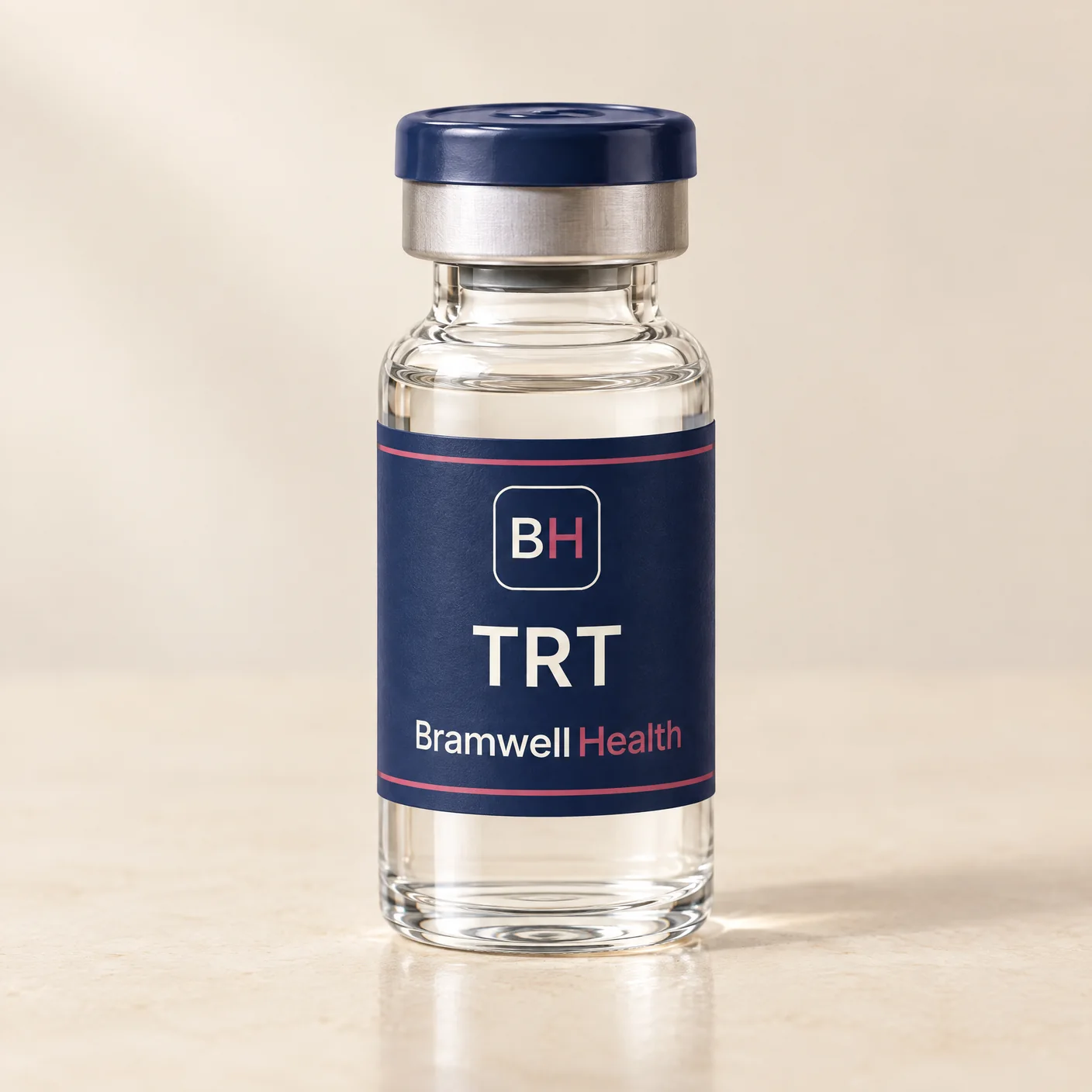
TRT stands for testosterone replacement therapy: prescription treatment that replaces testosterone when the body does not produce enough. Appropriate care begins with understanding symptoms, confirming a deficiency and considering its cause—not simply chasing a higher number.
TRT can help some men with hypogonadism—a condition in which the testes do not produce enough testosterone, sometimes because the signals that control production are disrupted. It is not a universal answer to fatigue, aging or low motivation. Your treating physician evaluates your symptoms, health history and relevant testing to decide whether treatment is appropriate.
Clinical guidelines help inform care; they do not replace an individual evaluation. Your treating physician uses the medical evidence and clinical judgment to make decisions about your treatment and monitoring. Clinical reference.
Bring that up before treatment. TRT can reduce sperm production, and fertility goals can change which options are appropriate. Read the fertility answer.
Start with the right evaluation.
What symptoms could suggest low testosterone?
Low sex drive, fewer spontaneous erections, reduced energy and loss of muscle can occur with testosterone deficiency. These symptoms are not a diagnosis: sleep problems, medications and other health conditions may also contribute. A physician should assess the whole picture, not just a symptom checklist. See the patient education reference.
How is low testosterone diagnosed?
Diagnosis generally involves symptoms consistent with testosterone deficiency and consistently low testosterone levels. Morning blood tests and repeat measurements can help establish this, and evaluation also looks for the cause. Your physician interprets your symptoms and results together and decides what additional testing is needed. A single result or age alone does not establish that TRT is appropriate. Clinical reference.
Do I need labs before starting TRT?
Not every patient needs new bloodwork before starting treatment at Bramwell. Your physician reviews your symptoms, health history and any available test results to decide whether testing is needed first. If you already have testosterone or other relevant lab results, bring them to your consultation for review. Read the full TRT lab guide.
When are follow-up labs done? Follow-up testing is typically done around 12 weeks after starting TRT to assess your levels and help guide treatment adjustments. Your physician may recommend earlier testing or a different schedule based on your situation.
Is TRT a treatment for normal aging?
Not by itself. Aging alone does not establish testosterone deficiency or make TRT appropriate. Your physician evaluates your symptoms, lab results and medical history to decide whether treatment fits. TRT is not an approved shortcut for athletic performance or appearance. See the patient education reference.
Know what you are paying for.
How much does TRT cost at Bramwell?
Bramwell TRT programs start at $75/month. This is a starting price, not an all-inclusive quote. Ask for the cost of your particular plan, including medication, follow-up and any testing, before committing. Explore Bramwell testosterone care. Read the full TRT cost guide.
Does Bramwell accept insurance or HSA payments?
Bramwell does not accept insurance. HSA payment is accepted; confirm your account’s rules and tax eligibility with your HSA administrator. HSA acceptance is not a guarantee that every expense qualifies.
What do labs cost, and where are they done?
When needed, labs are approximately $75 and are performed at Labcorp. The treating physician determines whether and when to order testing. Confirm the exact test order and cost for your situation; this is not a fixed price for every possible panel.
How do I begin?
Book a free physician consultation to discuss symptoms, health history, current medications and fertility goals. Your physician determines appropriate next steps and whether treatment is suitable. Consultation does not guarantee a prescription. Availability depends on your location; check Bramwell coverage and contact information.
Benefits, without the promises.
What can TRT realistically help with?
For men with confirmed hypogonadism, treatment may improve sexual symptoms, muscle and bone health, and anemia associated with deficiency. The benefit depends on the problem being treated. Energy, mood and concentration complaints can have other causes and may not improve. See the patient education reference.
How long does TRT take to work?
There is no single response time. Different symptoms and physical changes can evolve at different rates, and some symptoms do not respond. Agree on meaningful goals and a follow-up plan with your physician, then assess both symptoms and appropriate testing rather than assuming a fixed deadline.
Is TRT a weight-loss or muscle-building program?
No. Changes in body composition do not make TRT a weight-loss prescription or an approved performance enhancer. Treating a documented deficiency is different from raising normal testosterone for appearance. Nutrition, activity, sleep and other causes of weight change still matter. See the patient education reference.
Is TRT the same as anabolic steroids?
Testosterone is an anabolic-androgenic steroid hormone. Medical replacement for an evaluated deficiency differs from nonmedical performance use in purpose, exposure and monitoring; prescribed does not mean risk-free. Read the full guide.
Can I stop TRT later?
Discuss changes or stopping with your treating physician. TRT can suppress your own testosterone and sperm production, and symptoms may return after stopping. Recovery differs between people; do not assume a rapid or guaranteed return to baseline. Your physician can reassess the reason for treatment and appropriate follow-up.
Fertility belongs in the first conversation.
Does TRT affect fertility?
Yes. Testosterone treatment can decrease sperm production and is not recommended when planning fertility in the near term. Tell your physician before starting if you want children now or in the future; discuss specialist evaluation and alternatives rather than assuming an add-on drug will protect fertility. See the clinical reference and patient education reference.
What about heart health and blood pressure?
Testosterone can raise blood pressure, so blood-pressure checks are part of monitoring. In a large study of men with existing heart disease or high heart risk, monitored TRT did not increase heart attacks or strokes compared with placebo—but TRT is not risk-free or right for everyone. Discuss your heart history with your physician.
What side effects and monitoring should I discuss?
Possible concerns include acne, increased red blood cell count and reduced sperm production. Prostate history, sleep apnea, blood pressure and other health conditions also affect decisions. Ask what symptom checks and blood tests your plan requires and when to reassess benefits and harms. Monitoring is individualized, not a substitute for an appropriate diagnosis. See the patient education reference.
Can TRT affect my hair?
TRT may speed up inherited male-pattern hair loss in susceptible men, but not every patient loses hair and not all shedding has the same cause. Discuss your hair history and treatment options with your physician. Read the full guide.
When might TRT not be appropriate?
Plans for near-term fertility and conditions such as elevated hematocrit (a high proportion of red blood cells), untreated severe obstructive sleep apnea, prostate or breast cancer, and a recent heart attack or stroke may make TRT inappropriate or require further evaluation. This is not a complete screening list. Your treating physician evaluates these risks before recommending care. Clinical reference. Seek emergency care for chest pain, severe breathing difficulty or stroke symptoms rather than waiting for a routine follow-up.
A plan is more than a dose.
Are injections the only option?
No. Testosterone products have several delivery routes, including injections, topical gels and some oral formulations. The route affects practical use, side effects and monitoring. Topical products can transfer testosterone to others through skin contact. This overview does not mean every formulation is offered by Bramwell. Ask which options fit your situation. See the patient education reference.
Are there alternatives to testosterone replacement?
Sometimes the cause can be addressed without TRT, such as certain reversible health or medication-related contributors. Fertility goals may warrant specialist discussion of other approaches. Some medicines used for hypogonadism, such as clomiphene, are not FDA-approved for that indication; alternatives are not automatically equivalent or available through Bramwell. See the patient education reference.
How does enclomiphene compare with TRT?
TRT replaces testosterone; enclomiphene aims to stimulate the body’s own production in selected patients. Evidence, fertility effects and regulatory status differ. Enclomiphene is not FDA-approved, and this guide does not establish availability through Bramwell. Read the full guide.
How is a dose chosen?
There is no universal TRT dose or injection schedule. Your physician chooses a formulation and plan using your diagnosis, health history, response and appropriate monitoring. Follow the instructions for your own prescription; do not copy someone else’s protocol or add hormone medicines on your own.
Sources & scope.
This is general education, not a diagnosis or personal treatment advice. Clinical sources were checked October 14, 2026. Pricing and payment details reflect Bramwell’s current program information; specific program inclusions and formulation availability should be confirmed during consultation.
- Endocrine Society: Testosterone Therapy for Hypogonadism guideline resources (2018). Diagnosis, fertility and treatment selection.
- Endocrine Society: Hypogonadism in Men. Symptoms, options, benefits and monitoring.
Bring your questions.
Talk to a physician.
A free consultation is a place to discuss your symptoms, fertility goals and next steps—not a commitment to treatment.
Treatment is prescribed only if medically appropriate following physician consultation.